
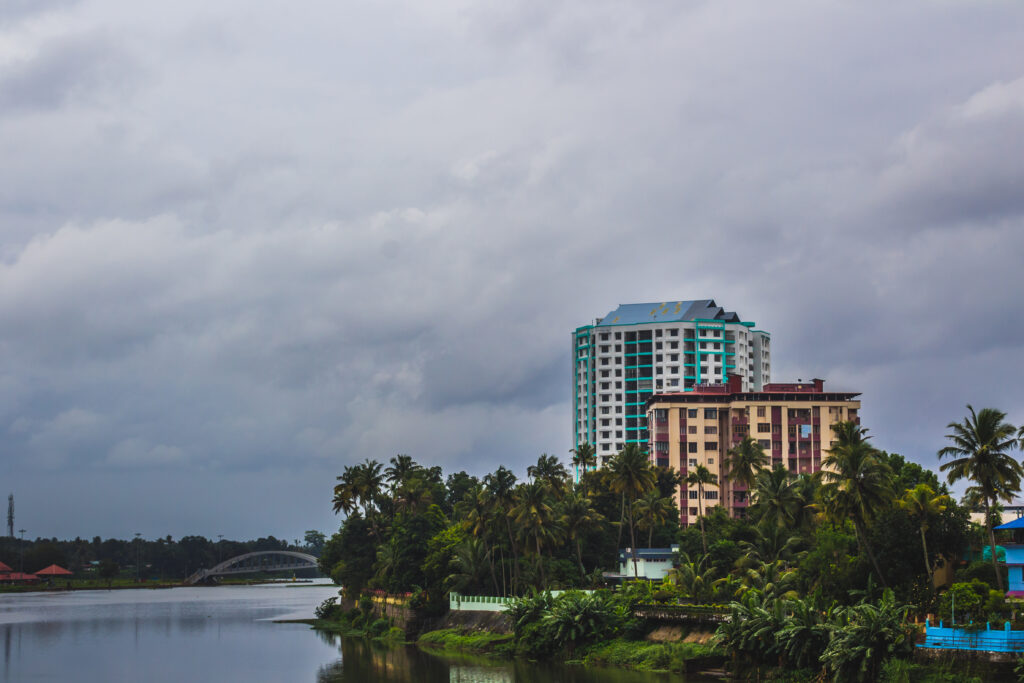
Why Kerala Continues to Attract NRI Buyers
For most NRIs, a home in Kerala is more than a financial decision. It’s a way to stay connected to where you come from, and a secure asset for the years ahead.
Kerala’s growing towns, better connectivity and steady demand for quality housing make it a natural choice for anyone looking to buy a home or invest in residential property. That’s why Kerala real estate for NRIs remains so popular, whether the plan is a family home, a retirement base or a long-term holding.
Decide What You Want from the Investment
Before you look at a single project, ask yourself what the property is for:
- A home for your family to use now?
- A place to return to in the future?
- A long-term investment?
- Something to pass on to your children?
Your answer shapes everything else. If you plan to buy a villa in Kerala for retirement, quiet surroundings and nearby healthcare will matter more than quick appreciation. A clear purpose helps you choose the right location, property type and budget, and keeps you from chasing homes that look good but don’t fit your plans.
Choosing the Right Location for Your Investment
When you can’t visit often, choosing the right location becomes even more important. A well-connected property can make everyday life easier for your family and simplify future management.
- Schools and colleges
- Hospitals and clinics
- Main roads and public transport
- Markets and daily essentials
- Workplaces and commercial areas
Think about who will actually use the home, whether that’s ageing parents, a spouse or children. A well-connected location makes their daily life easier, and it makes the property more appealing if you ever decide to rent or sell.
Why Palakkad and Ottapalam Are Worth a Look
Not every NRI wants the pace of a big city. Palakkad offers good road and rail links, easy access to Coimbatore, and a calmer way of life. Ottapalam is a settled town with schools, hospitals and markets already in place, which suits families who want convenience without the crowding.
Verify the Project and the Developer
Buying remotely means doing a little more homework, because you can’t walk the site whenever you like. Before you decide, check:
- Project approvals and documentation. Ask to see them, not just hear about them.
- RERA registration, where applicable. Confirm the details match what you’ve been told.
- Developer track record and delivery history. Have past projects finished on time? Can you speak to existing owners?
- Construction quality. Ask for recent site photos and videos, or have someone you trust visit on your behalf.
- Ownership and title documents. The land should have a clear, verifiable history.
- Bank approvals, if you’re taking a home loan.
Your relationship with a developer doesn’t end when you pay the booking amount. A good one won’t be bothered by these questions. They’ll expect them.
Understand the Documentation Process
Most problems for remote buyers start with paperwork that wasn’t read carefully. Depending on your purchase, you may deal with identity documents, title documents, the sale agreement and a power of attorney if you can’t be there in person.
A few habits help:
- Read every document before signing, even when you trust the people involved.
- If you appoint someone through a power of attorney, make sure it’s properly drawn up and that you know exactly what authority it gives.
- Rules on NRI payments and fund repatriation can change, so confirm the current position before you transfer money.
For anything complex, a qualified lawyer and a financial or tax professional are worth the fee. It costs far less than fixing a mistake later.
Consider the Long-Term Value
A property shouldn’t be judged only by today’s price. Look at how it will hold up over time:
- Location and accessibility
- Construction quality
- Community planning, including open spaces and road access
- Development happening in the surrounding area
- Maintenance needs, and who will look after the home while you’re away
The right property should make sense not only today, but ten years from now.
Choose a Developer You Can Trust
For an NRI buyer, trust is part of what you’re paying for. A developer who answers questions clearly, keeps documentation in order, sticks to committed timelines and shares updates without being chased makes the whole process easier, even when you’re thousands of kilometres away.
Conclusion
NRI property investment in Kerala should feel secure, not complicated. Know your purpose, pick a location your family can actually use, check the project and the people behind it, and take the paperwork seriously.
Get those right, and your investment becomes more than an asset. It becomes a place your family can call home.